
In a world dominated by streaming services and instant access, it’s easy to forget the magic of holding music in your hands. But for musicians, physical media—CDs, vinyl, and yes, even cassettes—isn’t just a nostalgic nod to the past. It’s a vital piece of their livelihood and a meaningful way to connect with fans.
Streaming might be king in terms of convenience, but it doesn’t exactly pay the bills. On platforms like Spotify, artists earn fractions of a cent per stream. It can take thousands—sometimes millions—of plays for a musician to make the equivalent of a single album sale. In contrast, when a fan buys a CD or a vinyl record, that one purchase can equal the payout of thousands of streams. It’s a one-time transaction that actually means something in terms of income.
But the value isn’t just financial. Physical releases give artists full control over the experience. From the artwork and liner notes to bonus tracks or limited color pressings, musicians get to craft something tactile—something permanent. For fans, it’s a chance to own a piece of the music, not just borrow it from the cloud.
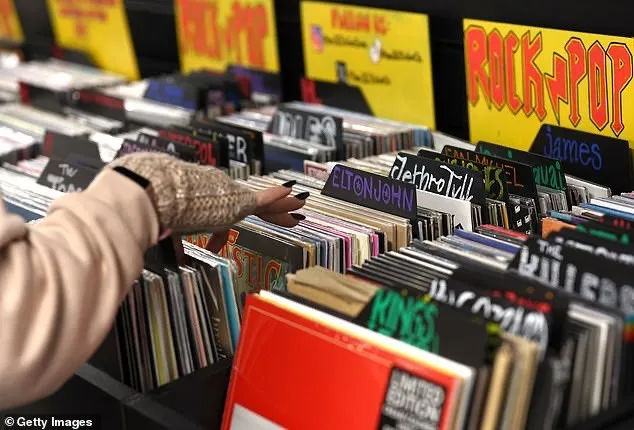
Record Store Day, for example, has become more than just a collector’s holiday. It’s a celebration of independent artists and record shops, giving a boost to the musicians who often get overlooked by algorithm-driven platforms. Limited runs, exclusive pressings, and the chance to discover hidden gems—it’s all part of the charm. And with each purchase, fans are making a statement: this music matters to me.
Physical music isn’t dead—it’s evolving. It’s becoming more intentional, more collectible, and more important than ever to the artists behind the songs. So whether you’re digging through crates on Record Store Day or picking up a band’s latest release at a show, remember this: you’re not just buying music—you’re supporting the people who make it.