
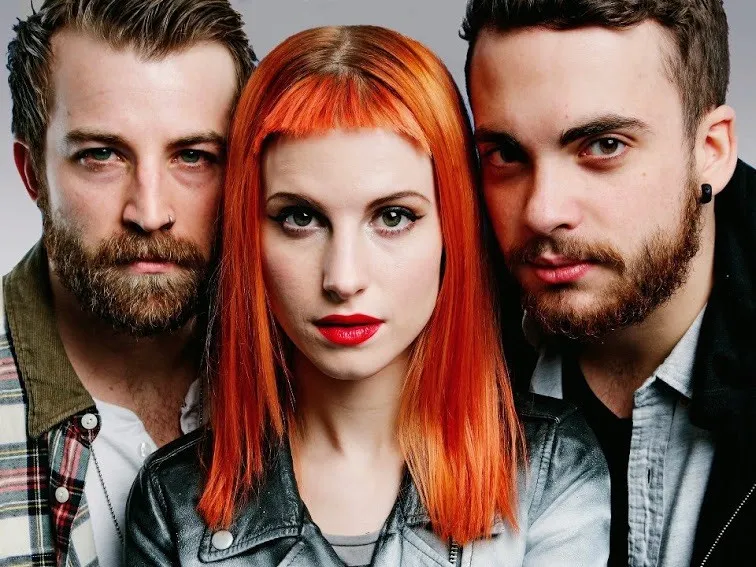
On April 5, 2013, Paramore released their boldest statement yet — a self-titled album that wasn’t just a collection of songs, but a declaration of survival, reinvention, and creative rebirth. Paramore (stylized as PARAMORE) turned 11 this week, and its impact still ripples through the band’s legacy and the genre they helped redefine.
Coming off a turbulent period — including the high-profile departure of founding members Josh and Zac Farro — Paramore faced enormous pressure to prove they could evolve. What followed wasn’t just proof, but a triumph. The 17-track album arrived with color, confidence, and experimentation that pushed the band beyond their emo and pop punk roots.
From the glittering power-pop of “Still Into You” to the gospel-infused swagger of “Ain’t It Fun,” Paramore showed a band no longer boxed in by genre or expectation. Tracks like “Grow Up” and “Last Hope” doubled as personal manifestos, capturing vocalist Hayley Williams’ resilience and growth in the face of uncertainty.
Sonically, it was their most ambitious work to date. It blended punk urgency, synth-pop brightness, alt-rock edge, and unexpected interludes — all wrapped in a vibrant aesthetic that set the tone for Paramore’s next chapter. The album debuted at #1 on the Billboard 200, earned them a Grammy Award for “Ain’t It Fun,” and opened the door to a new audience without alienating long-time fans.
In hindsight, Paramore wasn’t just a turning point — it was the beginning of a band refusing to stay stagnant. It gave us an empowered, fearless version of Paramore that paved the way for After Laughter and This Is Why.
Eleven years later, Paramore still sounds fresh, fearless, and full of life. It’s not just a self-titled album — it’s a self-defining one.