
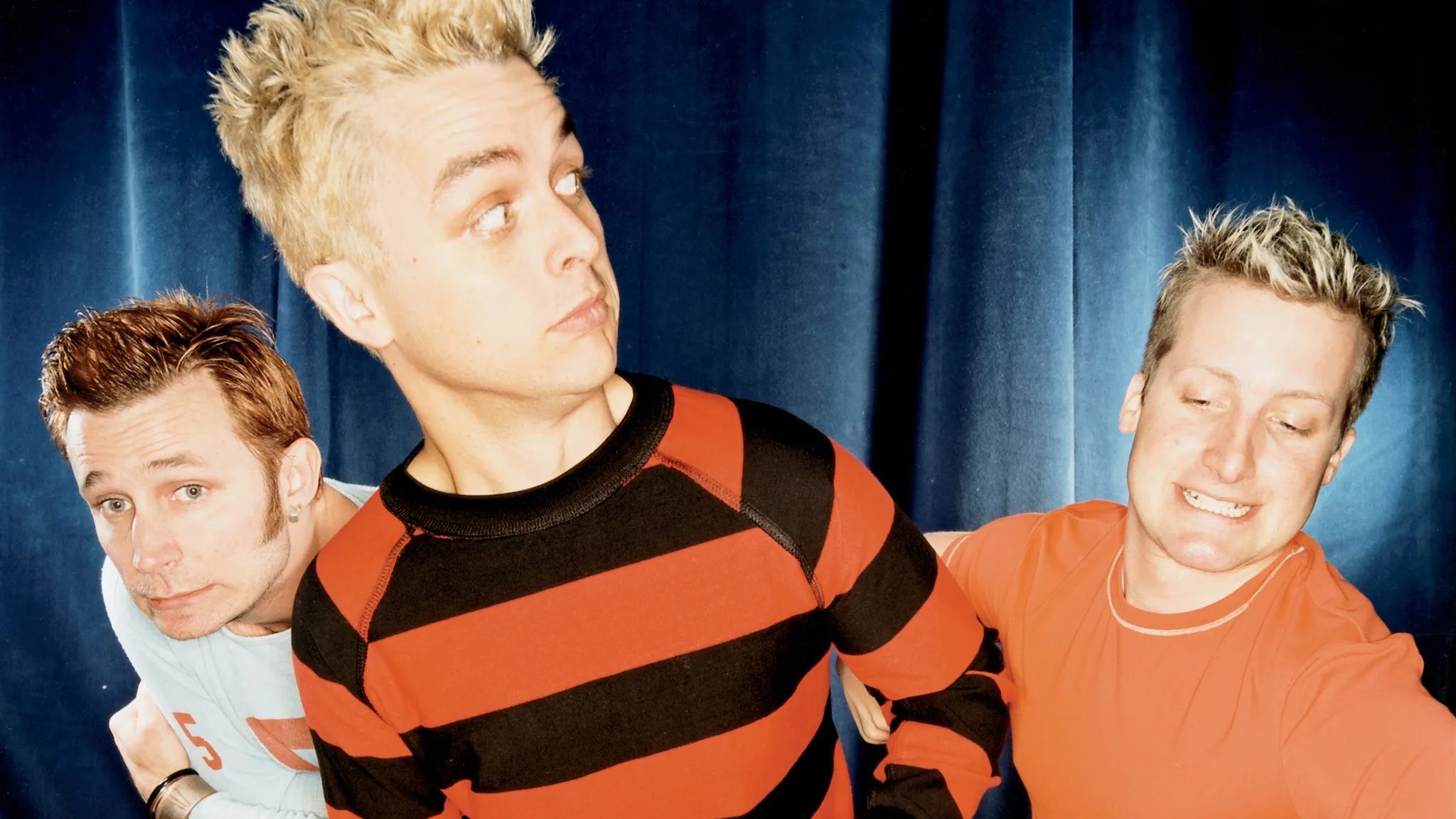
Back in 2000, Green Day could have played it safe. They already had Dookie in their back pocket, one of the biggest punk records of all time, and their reputation as kings of snotty, fast-paced anthems was secure. But instead, on October 3, 2000, the band dropped Warning, their sixth studio album—and it sounded like nothing anyone was expecting.
Rather than thrash through another batch of three-chord burners, Green Day leaned heavily on acoustic guitars, folk-punk rhythms, and even flashes of classic rock. The swaggering title track set the tone, while “Minority” became the breakout single—a rallying cry for outsiders that quickly turned into a live staple. “Waiting” offered up one of the catchiest hooks Billie Joe Armstrong has ever written, and songs like “Castaway” and “Church on Sunday” showed just how far the band could stretch their sound without losing their identity.
At the time, critics weren’t entirely sure what to make of it. Some praised the maturity and experimentation, others longed for the rawer punk chaos of Insomniac or Nimrod. Fans were split too, and commercially, Warning didn’t hit the multi-platinum numbers of Green Day’s ’90s heyday. But while it peaked at #4 on the Billboard 200 and eventually went Gold in the U.S., history has been far kinder to the record.
Part of its commercial challenge came from timing—the album was leaked on Napster three weeks before release, right at the height of the early file-sharing wars. But in hindsight, Warning feels less like a stumble and more like a crucial step. It proved that Green Day could evolve, take risks, and write songs that didn’t need to be fueled entirely by distortion and speed. Without Warning, it’s hard to imagine the band leaping forward just four years later with American Idiot, the album that would cement their second act as arena-filling rock icons.
Now, 25 years on, Warning stands as one of Green Day’s most underrated records. It’s the sound of a band refusing to be boxed in, of Billie Joe, Mike Dirnt, and Tré Cool stretching themselves and showing that punk could be more than just noise and rebellion—it could be smart, melodic, and timeless. For fans who were there at release, it’s a reminder of a bold era. For new listeners, it’s the hidden gem in Green Day’s catalogue that deserves a fresh spin.
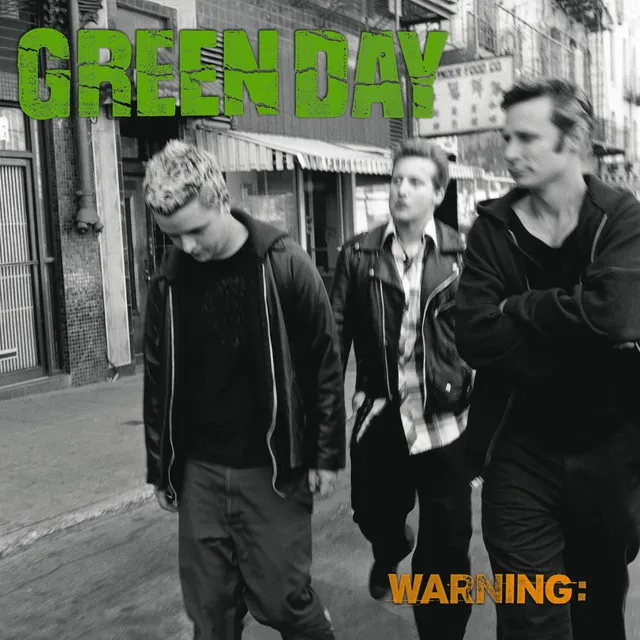
So today, crank up “Minority” or let “Waiting” soundtrack your day. Warning wasn’t just a detour—it was the roadmap to Green Day’s future.